Your Competition Isn't the Clinic Down the Street. It's an App and a Theragun.
AI is not a threat you can wait out. It is not a fad, not a phase, not something that plateaus while you keep doing what you have always done.
It is already good enough to build a real home exercise program, good enough to pair with a Theragun and a set of Normatec boots and get most people most of the way to recovered.
The clinics that survive the next five years will be the ones that stopped arguing about whether AI belongs in the room and started building a case for why they still do.
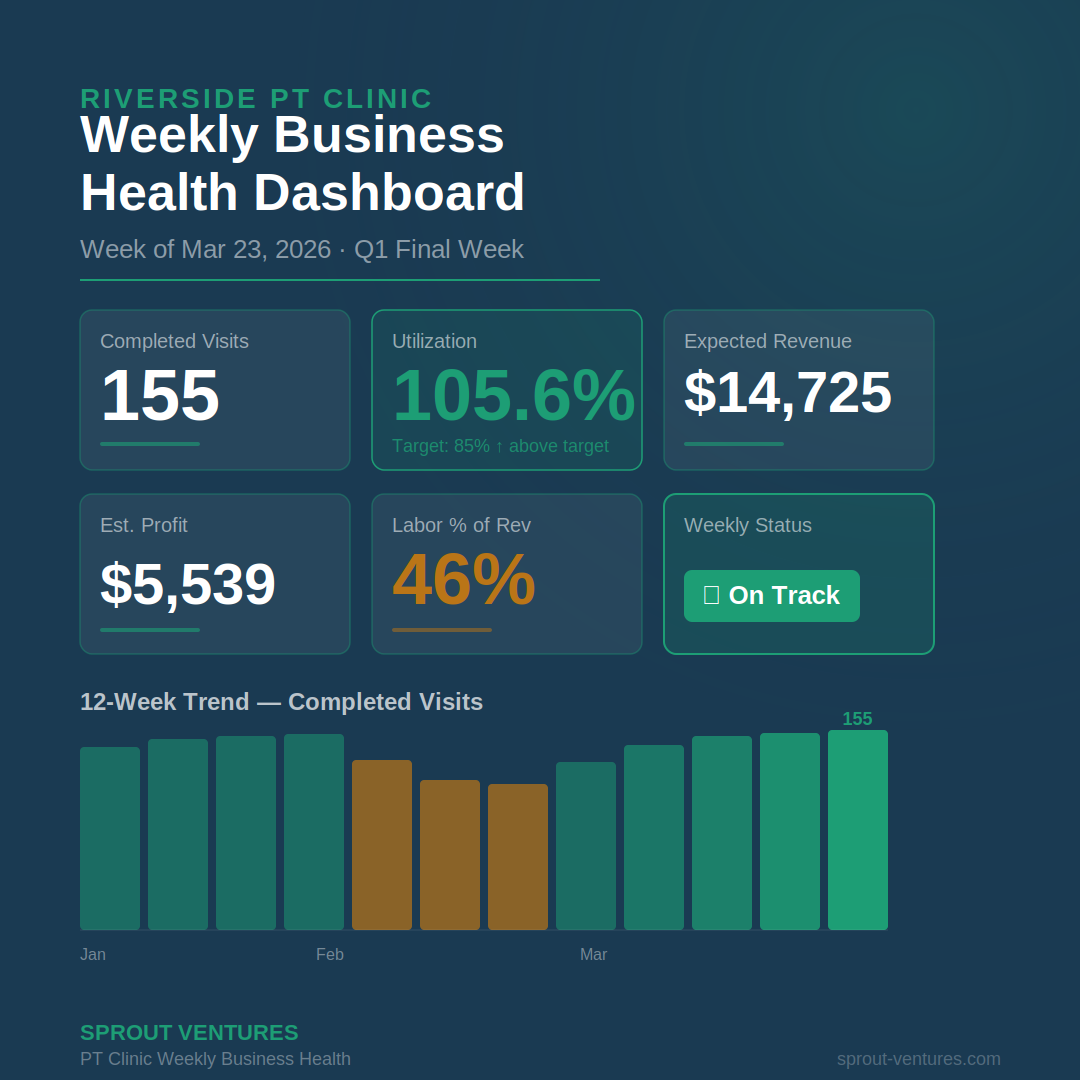
You Already Know How to Read Data. You're Just Not Reading Your Own.
Clinicians who won't look at their numbers aren't avoiding data. They're avoiding a diagnosis they're afraid to make. Every clinical decision you make in a treatment room is built on tracked data: range of motion over three sessions, pain scores trending down, gait mechanics improving under load. You already run this process daily. The problem isn't that clinic operators lack the skill to read business data. It's that they've never been told the weekly business numbers deserve the same discipline as the weekly reassessment.
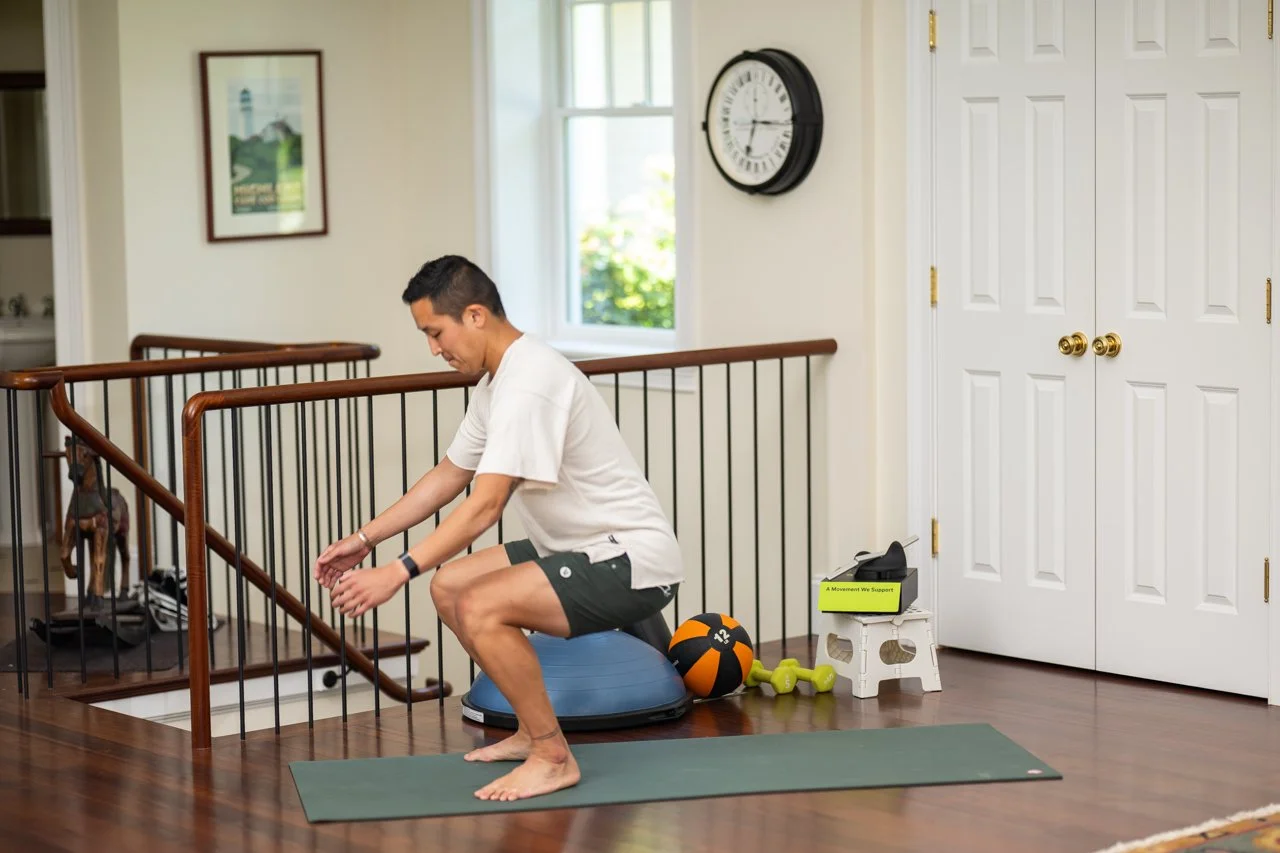
Skill Gets You Considered. This Gets You Promoted: Do you play offense or defense?
The difference between a good manager and a great one isn't experience. It's what they do the moment something starts working.
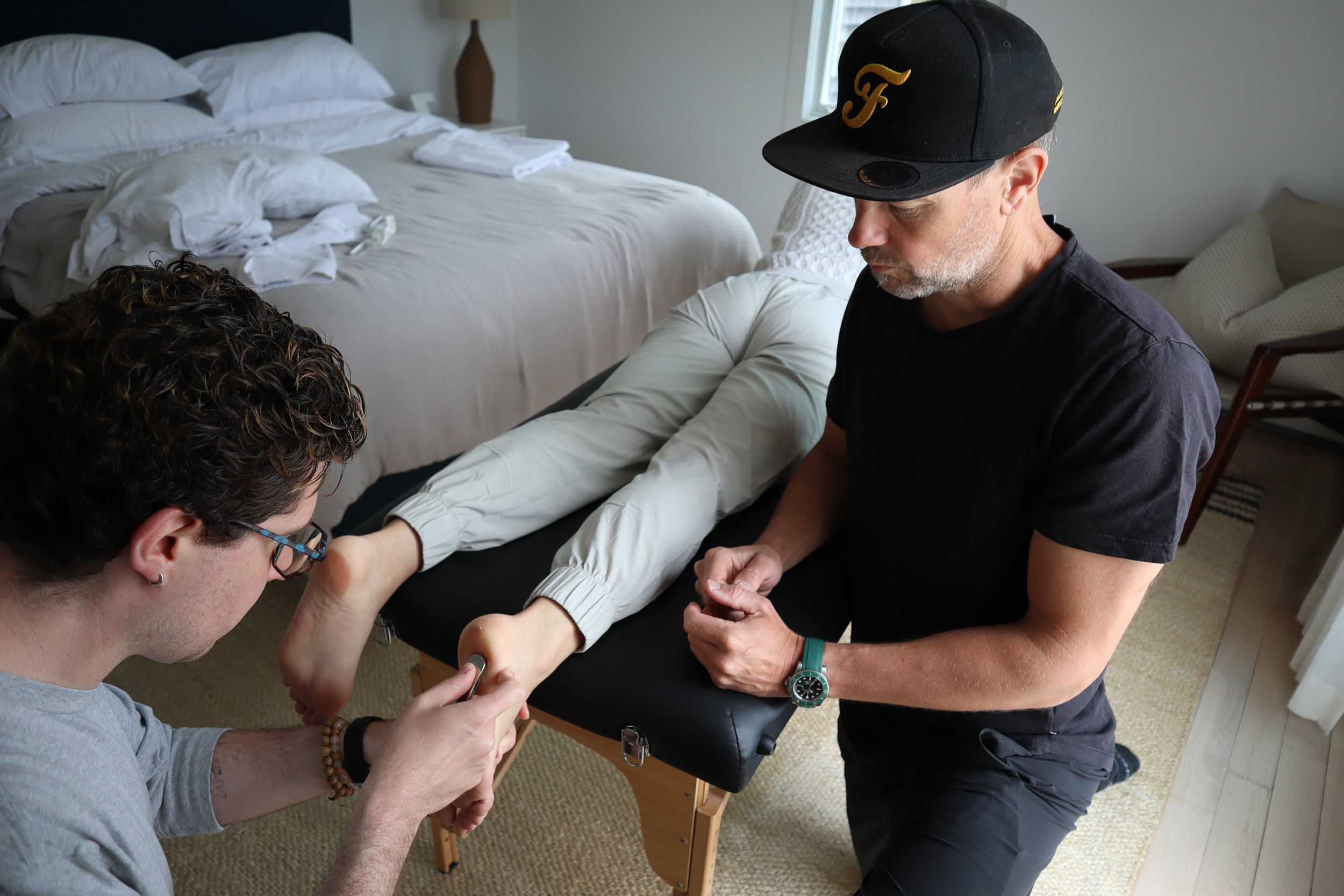
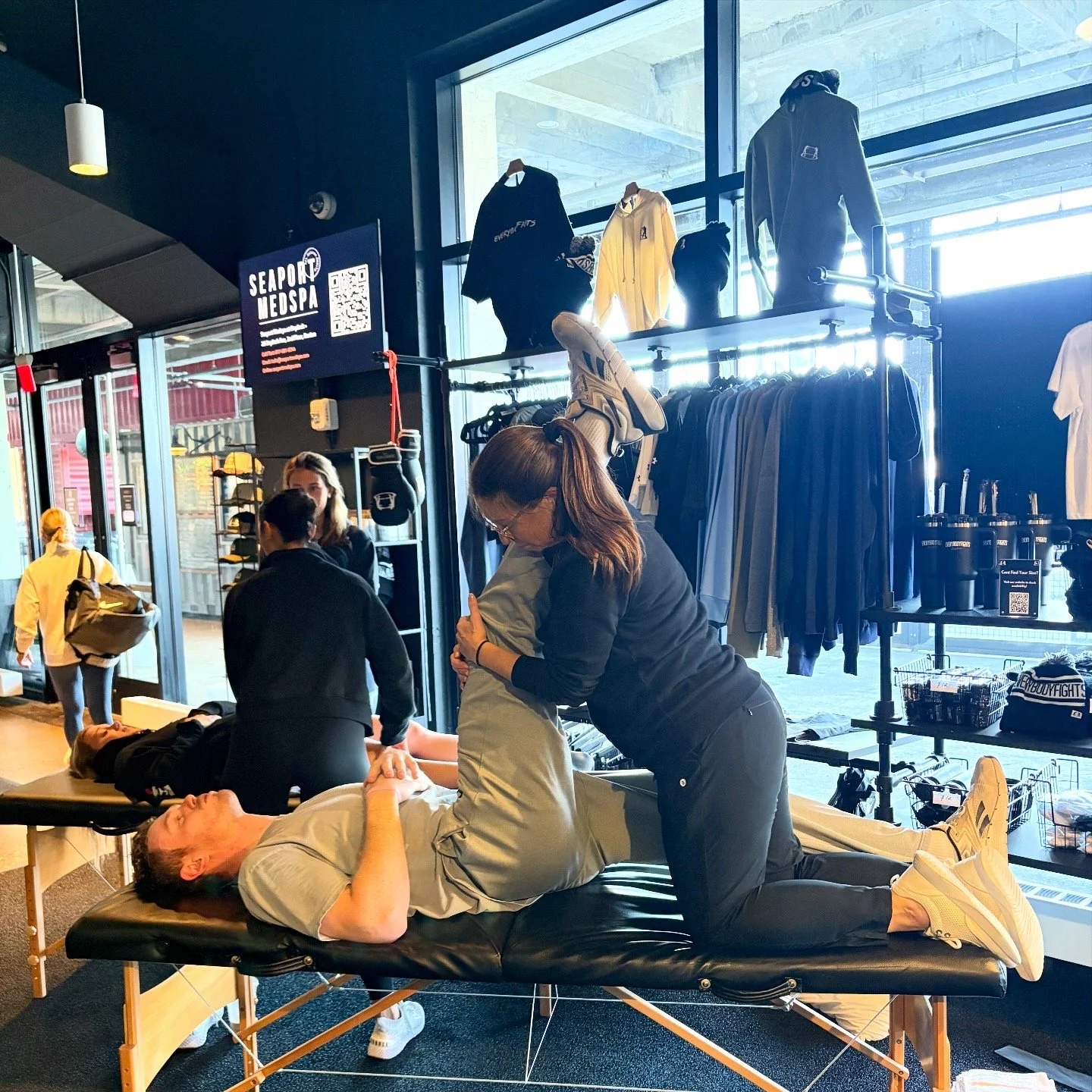
Test-Retest is a PT’s Single Greatest Marketing Tool.
Every retest is a live product demonstration, and most clinics are giving it away for free without even mentioning it happened.
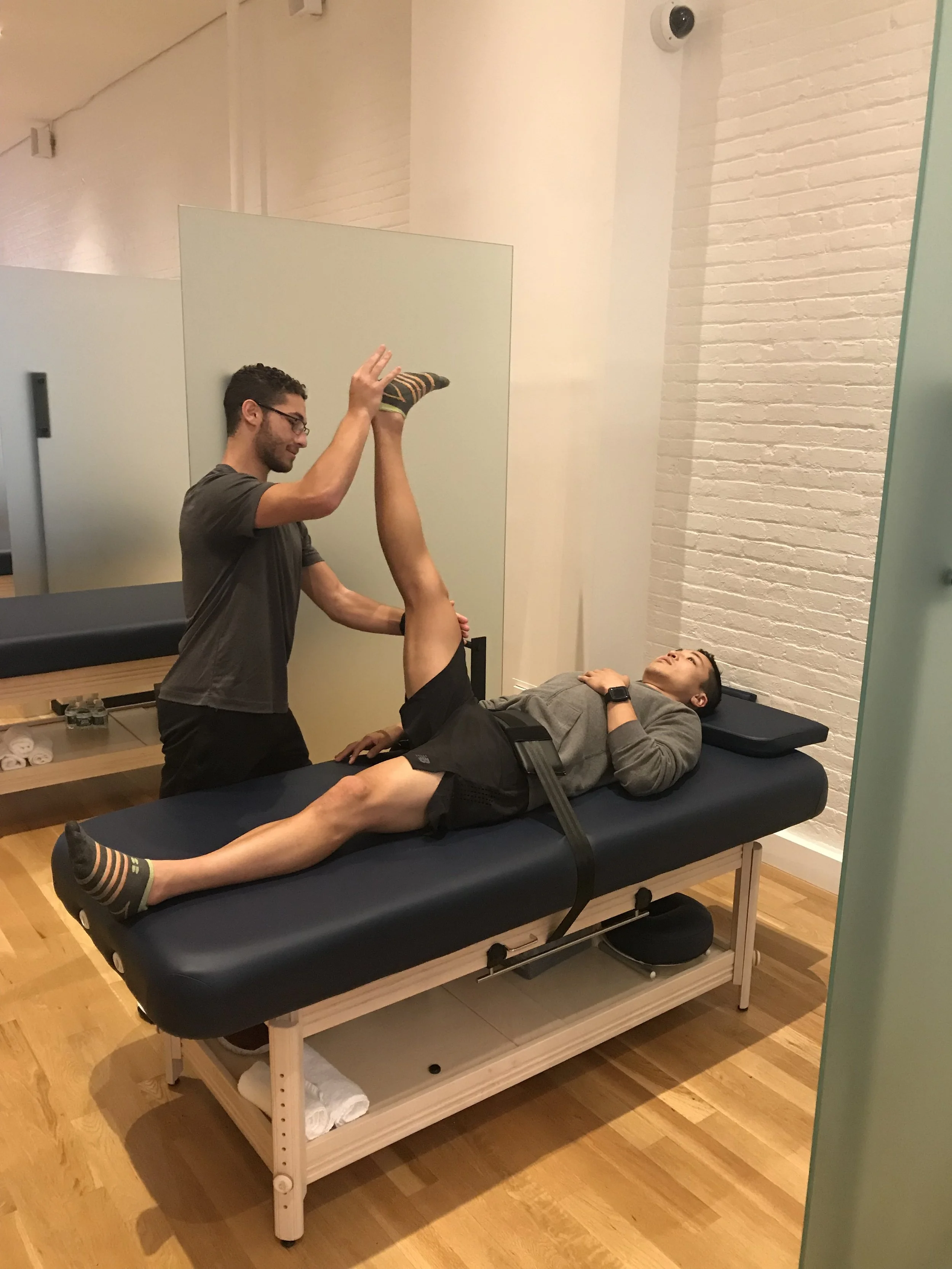
The 8-Minute Rule Is Building Bots, Not Clinicians
Physical therapy's billing system was built to measure time. It has quietly started measuring thought. Ask a new grad why they're doing manual therapy for exactly eight minutes before moving to therapeutic exercise, and the answer isn't "because that's what this patient's tissue needs right now." It's "because that's a unit."
The reimbursement structure has stopped being a back-office detail and become the actual clinical reasoning. That's the problem, and it's getting worse, not better.
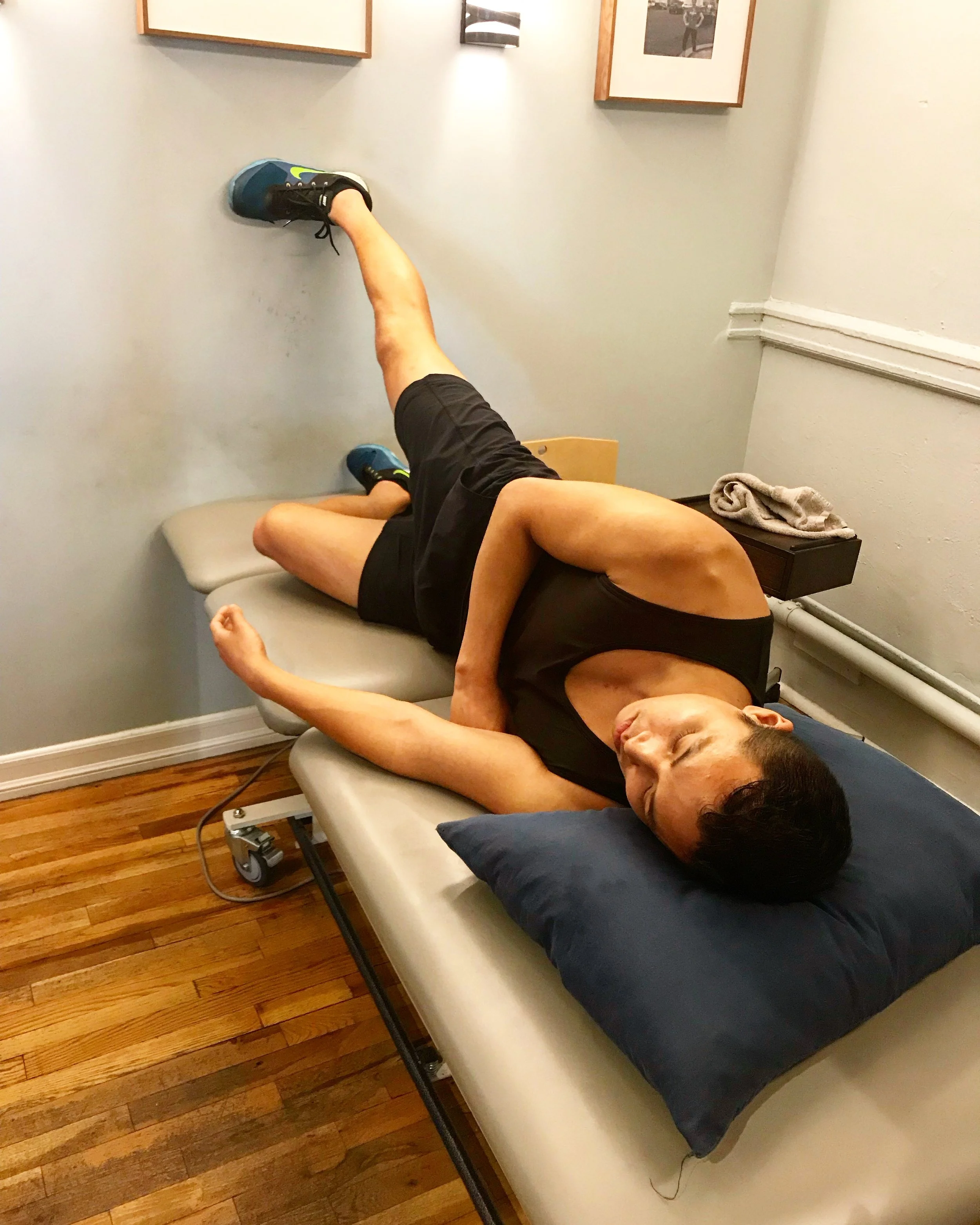
5 Predictions for the Future of Physical Therapy
I work at the intersection of physical therapy operations and health and wellness consulting, which means I get to see both sides of what's happening in this industry — the clinical reality and the business reality. They are increasingly hard to reconcile. Here's what I think the next few years look like.

5 Predictions on Trends Reshaping Health and Wellness (And What to Do About Them)
I spend a lot of time at the intersection of fitness, physical therapy, and health tech — which means I get a front-row seat to where things are going before they land in the mainstream. Here's what I'm watching right now.

The Insurance vs Cash Pay Binary Is a Trap: Why Physical Therapy Needs a Third Way
Walk into any room where PT clinic owners are talking strategy and you'll hear the same debate, framed the same way, every time.
Do we take insurance or go cash-pay?

Why PT Clinics Need a Different Kind of Consultant
Most PT consultants come from a clinical background. Jason Ostrander brings cross-industry operations, brand, leadership, and growth experience to help PT clinics scale smarter.

From Clinician to Clinical Director: How to Build a Business Rhythm Without an MBA
You don't need a business degree to lead a PT clinic well. You need the right framework, the right data, and a weekly rhythm that turns numbers into decisions. Here's how to build it.
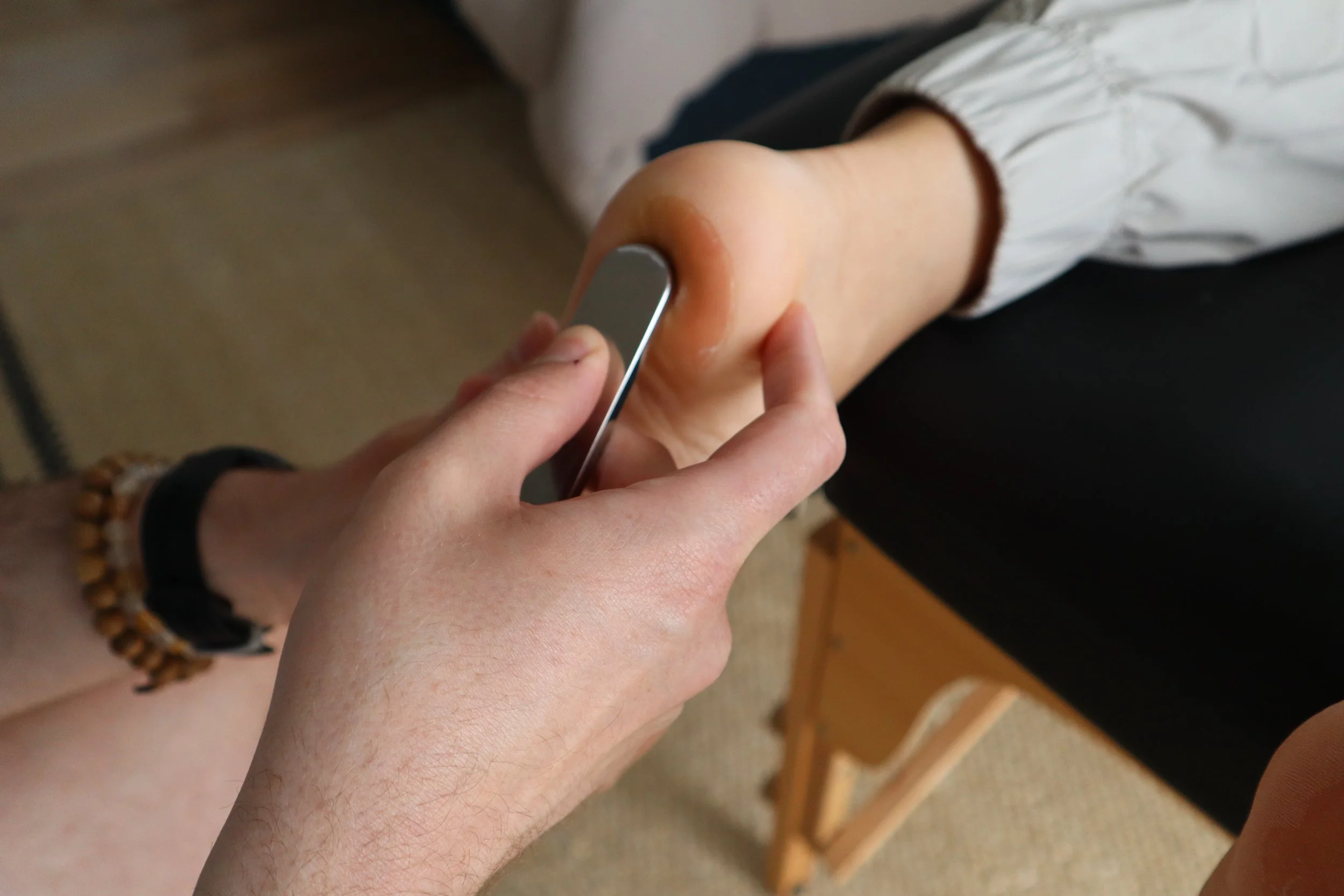
What Nobody Tells You When You're Promoted from PT to Clinic Manager
You were good at your job. Really good.
You built relationships with your patients. You knew how to read a movement pattern, design a progression, adjust on the fly. Your documentation was clean. Your caseload was full. Your outcomes were strong.
So they promoted you.
And now you're sitting in a meeting you didn't ask for, looking at a report you don't fully understand, nodding along while someone talks about labor cost percentages and utilization benchmarks — and somewhere in the back of your head, a quiet voice is saying: I have no idea what I'm doing.
If that sounds familiar, you're not struggling because you're bad at this. You're struggling because you were trained to be excellent at something completely different — and then handed a new job with almost none of the preparation that job actually requires.
Nobody tells you that part. This article does.